
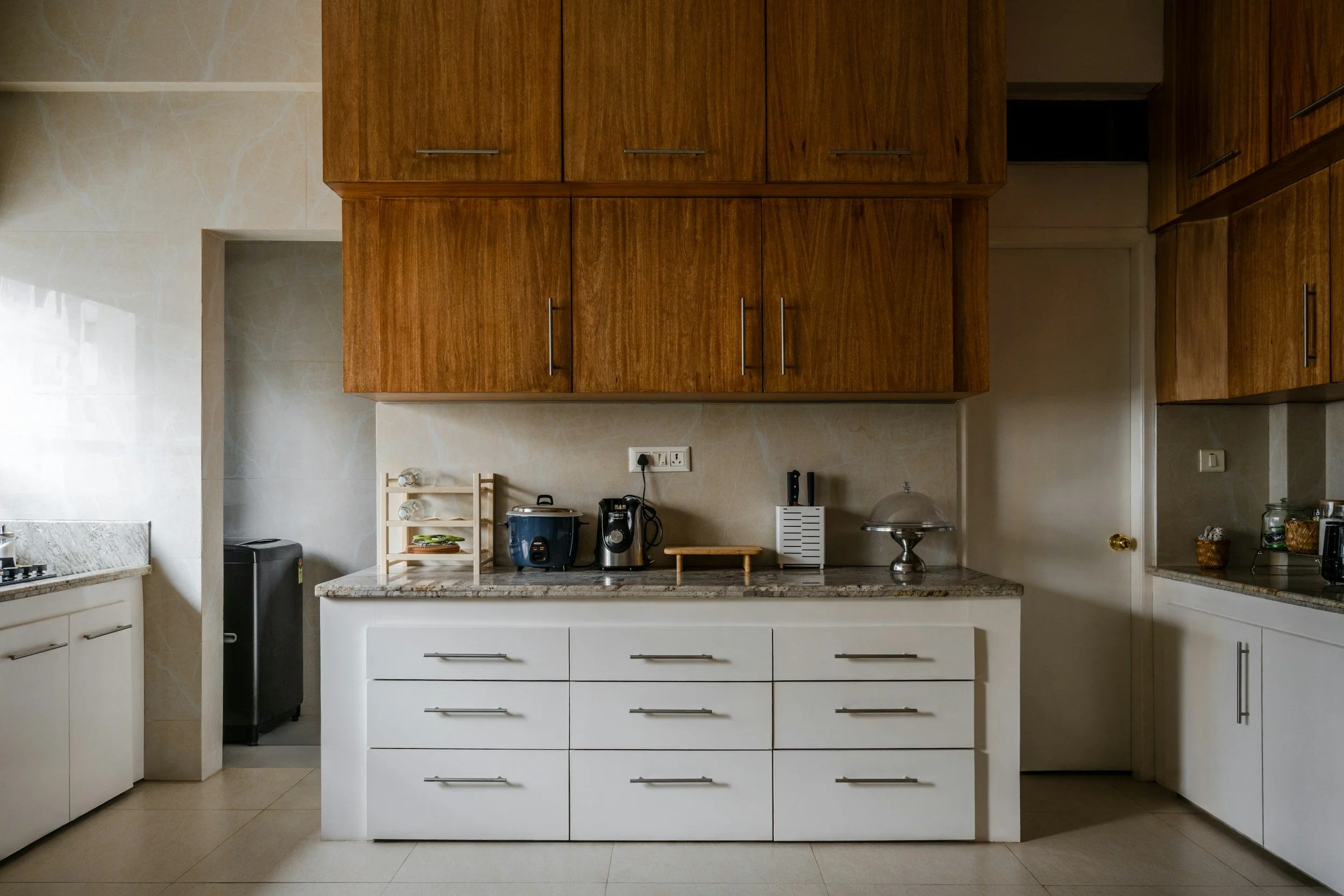
Cabinet Painting: How to Get a Finish That Doesn’t Peel
Cabinet painting in Vancouver is one of the smartest “upgrade without renovating” projects, especially when home improvement costs are high. But it’s also one of the easiest ways to waste money if the prep is rushed or the wrong primer/paint system is used.
If you’re searching for cabinet painters in Vancouver (or “cabinet painting near me”), this guide shows what actually prevents peeling, and what professional cabinet refinishing should include.
Why painted cabinets peel (and why it’s common in kitchens)
Most peeling isn’t “bad luck.” It’s paint that never bonded properly. The usual causes:
Grease and cooking residue left behind (paint sticks to the grime, not the cabinet)
Glossy or factory finishes (melamine/thermofoil/laminate) not scuff sanded or deglossed
Skipping bonding primer (or using wall primer instead of an adhesion primer)
Rushing dry + cure time (cabinets get handled long before they reach full hardness)
Using the wrong topcoat (standard wall paint can’t handle constant touching and cleaning)
Bottom line: cabinet peeling is usually a prep + coating system problem, not a “painter skill” problem.
What makes cabinet painting different from wall painting
Cabinets are:
touched constantly
exposed to oils, moisture, and cleaning products
often glossy or factory finished
visually unforgiving (you’ll see every flaw)
That’s why kitchen cabinet painting should be treated more like finishing furniture than painting drywall.
Professional cabinet painting: the no-peel process
Here’s what a professional cabinet painting / cabinet refinishing Vancouver workflow should include:
1) Protect the home + set up for dust control
Masking, floor protection, plastic walls if needed
Ventilation and overspray/dust management (especially for spray finishes)
2) Remove doors, drawers, and hardware (and label everything)
Organized labeling prevents misaligned doors and “mystery hinges” at reinstall
3) Degrease properly (critical)
Surfaces must be cleaned so they’re free of grease/oil/soap residue before primer.
4) Sand / degloss for adhesion (not for “beauty”)
Glossy areas should be dulled, and cabinetry should be roughened before priming.
This is where most DIY jobs (and cheap quotes) fail.
5) Use a bonding primer matched to the surface
A primer is not optional, especially on laminate/thermofoil and slick factory coatings. Benjamin Moore’s own guidance emphasizes proper surface prep (cleaning, dulling glossy areas, and sanding cabinetry) for durable results.
6) Apply a cabinet-grade topcoat (not wall paint)
Cabinet finishes need durability, leveling, and scrub resistance, especially for kitchens and bathrooms.
7) Respect dry time and cure time
This is the part most homeowners don’t get told clearly.
Dry time vs cure time (the secret to a finish that doesn’t peel)
Paint can feel dry and still be soft underneath.
For example, Benjamin Moore ADVANCE technical data sheets note:
Dry to touch: about 4–6 hours
Recoat: around 16 hours (varies by product/sheen and conditions)
Avoid heavy abrasion / returning shelves to service for ~5–7 days
Up to ~30 days to reach optimum hardness/final sheen depending on conditions
Vancouver tip: humidity and cooler temperatures can prolong dry, recoat, and cure times.
Homeowner friendly rule: treat cabinets gently for the first week, and avoid harsh scrubbing for the first month.
Spray vs brush/roll: how to get a smoother “factory finish”
People often search for cabinet spray paintingbecause spray finishes can look more like new cabinetry.
Spray finishing is usually the best route for:
flat slab doors and modern kitchens
minimizing brush/roller texture
achieving a more uniform sheen
Brush/roll can still be professional (and cost-effective) when:
the coating system levels well
sanding between coats is done properly
the project needs lower disruption
Benjamin Moore also notes spraying can be efficient, but sprayers should be used responsibly and are often best used outdoors or in a garage type setup.
Cabinets you can paint (and the ones that need extra caution)
Most homeowners want a straight answer on cabinet refinishingprojects:
Solid wood: excellent candidate
MDF: great when properly sealed/primed
Laminate / melamine: paintable, but must be prepped for adhesion; guidance calls for deglossing and light sanding on these surfaces.
Thermofoil: can be painted in some cases, but adhesion prep is everything, this is where bonding primer and correct sanding matter most
If a quote claims “no sanding needed” on slick factory cabinets, that’s usually a red flag.
Cabinet painting cost factors in Vancouver (what changes the quote)
Searches like “cabinet painting cost Vancouver” are common, but pricing varies because scope varies. Cabinet painting costs typically depend on:
number of doors/drawers
painting doors only vs doors + boxes
painting interiors
repairs (chips, water damage, failing edges)
current finish type (stained, glossy, laminate)
spray vs brush/roll finish level
occupied kitchen logistics (masking, dust control, dry time planning)
Tip: Ask for the scope in writing so you can compare quotes fairly.
What professional cabinet painting should include (Soul Painters checklist)
When you’re comparing painting contractors in Vancouver for cabinetry, your quote should clearly include these steps:
1) Protection & setup (especially for occupied homes)
Floor and counter protection, masking, ventilation planning
Dust control strategy (sanding + finishing produce fine debris)
2) Remove and label doors/drawers + hardware
Removing doors and hardware is standard practice in professional cabinet refinishing workflows.
Labeling matters, so reassembly is aligned, even, and quiet.
3) Degreasing and deep cleaning
This is where kitchens differ from other painting projects. Degreasing is non-negotiable before sanding/priming.
4) Sanding / deglossing for adhesion
Benjamin Moore specifically notes sanding to dull surfaces so paint can “bite,” rather than fully stripping the old coating.
For slick surfaces like melamine/laminate and glossy paint, technical guidance also calls out proper deglossing.
5) Bonding primer (critical step)
For “hard to coat” surfaces, bonding primers are designed for adhesion, including challenging glossy and plastic-like substrates.
6) Cabinet-grade topcoats (not standard wall paint)
Cabinet coatings are chosen for durability, leveling, and resistance to wear. Benjamin Moore’s cabinet guidance points to cabinet appropriate products (and stresses following product-specific technical requirements).
Insl-X notes Cabinet Coat is commonly used by painting contractors for refurbishing cabinets and is intended to adhere to hard to stick surfaces with an ultra smooth, factory like finish.
7) Dry time + cure time planning (where most failures start)
Benjamin Moore advises avoiding heavy abrasion/cleaning for 5–7 days after painting to help prevent finish damage.
And some cabinet paints can take up to 16 hours before recoating, depending on product and conditions.
8) Careful reassembly and alignment
Doors re-hung straight, hardware reinstalled cleanly, bumpers/spacing checked, drawers running properly.Cabinet painting cost factors in Vancouver
Cabinet painting cost in Vancouver varies widely because “painting cabinets” can mean very different scopes. Pricing typically depends on:
number of doors/drawers
whether cabinet boxes are painted
whether interiors are painted
current finish type (glossy, stained, laminate/thermofoil)
repairs (chips, water damage, failing laminate edges)
finish level (brush/roll vs spray)
site conditions (occupied kitchen vs empty)
Pro tip: Ask for a line item scope so you can compare apples to apples between painting contractors.
Vancouver humidity, moisture, and curing: what homeowners should know
In the Lower Mainland, moisture and humidity can slow curing. Product technical data for a common bonding primer advises planning to avoid rain/moisture/high humidity during early curing.
Practical takeaway: even when cabinets feel “dry,” treat them gently for the first week. Hold off on aggressive scrubbing/harsh cleaners early on.
Can you paint laminate or thermofoil cabinets?
Yes, but only with the right prep and primer. Benjamin Moore’s data sheets specifically call out MDF/thermofoil/laminate and require proper sanding/roughening before priming.
If you’re told “no sanding needed,” be cautious. The common professional approach is:
clean/degrease
scuff sand to dull the sheen
bonding primer
cabinet-grade topcoats
How long will painted cabinets last?
With correct prep + primer + cabinet-grade paint, professionally painted cabinets can hold up for years. Most failures you see (peeling near handles, chipping on edges, “sticky” doors) trace back to:
contamination left on the surface
poor adhesion prep on glossy finishes
putting the kitchen back into heavy use before hardness develops
Questions to ask cabinet painters in Vancouver before you hire
Use these questions to filter out “quick coat” jobs:
What cleaner/degreaser process do you use before sanding?
What sanding/deglossing steps are included?
What bonding primer do you use for laminate/thermofoil/high-gloss?
What cabinet grade topcoat system are you using and why?
Where are doors finished (in-home vs shop), and how is dust controlled?
What’s the timeline, including cure time and when normal cleaning is safe?
What’s included: boxes, end panels, toe kicks, interiors, reinstall/alignment?
Aftercare: keep your cabinet paint looking new
Be gentle for the first week (avoid heavy abrasion/harsh cleaning early).
Use mild cleaners; skip abrasive pads.
Add bumpers (after initial hardening) to reduce edge chipping.
Wipe water quickly near sinks/dishwashers, moisture is relentless in kitchens.
Cabinet Painting Vancouver FAQs
How long does cabinet painting take?
Timeline depends on door count, prep needs, and the coating system. Some cabinet paints can require longer dry/recoat windows (e.g., up to ~16 hours for certain products), plus cure time.
When can we use the kitchen again?
You can often return cabinets to service after they’ve dried, but hardness and adhesion take time to develop. Benjamin Moore recommends avoiding heavy abrasion/cleaning for at least 5–7 days to reduce the chance of damaging the finish.
Can you paint laminate cabinets?
Yes, with proper prep. Technical guidance calls out deglossing and light sanding for melamine/laminate type surfaces to improve adhesion.
Is cabinet spray painting worth it?
If you want the smoothest finish and minimal texture, spraying is often the best path, when prep, masking, and dust control are done professionally.
Soul Painters service areas
Soul Painters not just provides interior painting, we also provide cabinet painting, cabinet refinishing, and cabinet repainting across:
Vancouver • North Vancouver • West Vancouver • Burnaby • Richmond • New Westminster • Coquitlam • Port Coquitlam • Port Moody • Maple Ridge • Pitt Meadows • Anmore • Surrey • White Rock • Abbotsford • Squamish • Whistler